 CLOTHING
Generally we recommend bringing light, loose fitting cotton clothes for the warmer months and for Southern Vietnam. If travelling to the north, some form of layering is required as Hanoi can experience wide temperature changes from one day to the next. During the winter months in the north, and for travelling to the mountains, it is imperative to bring warm clothing. An umbrella is definitely usef
 DRINKING WATER
Drinking water from the tap is not advisable. Use only a reliable brand of bottled water or boiled water from the tap. Be wary of ice, which may come from a questionable source. Ice served in the hotels and good restaurants are usually safe. A bottle of drinking water is usually provided complimentary by most hotels.
 CUSTOMS REGULATIONS
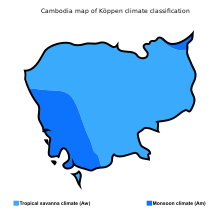
Regulations are relaxed and simple formalities should be observed when entering the country. Every traveller has to complete a customs declaration form during the arrival flight and must submit it on arrival. Any amount of foreign currency can be brought into Cambodia, but the amount of Cambodian currency must not exceed 100,000 riel per person. Tourists and non-residents carrying over USD 10,000
 FOOD AND DINNING
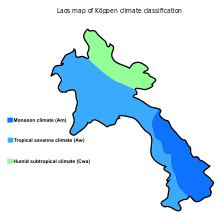
Laos has abundant food supplies and the cuisine is simple and fresh. Sticky rice is the staple of the Lao diet and food is enhanced by such spices as lemongrass, hot chili, peanuts, coconut milk and ginger. In addition to Lao cuisine, the larger hotels also serve a wide variety of continental, Vietnamese and Chinese cuisine. In the smaller cities, when the hotels only have one restaurant, ordering
 CURRENCY AND EXCHANGE
The local currency is the dong (abbreviated "d" or VND). Bank notes are 500 / 1,000 / 2,000 / 5,000 / 10,000 / 20,000 / 50,000 / 100,000 / and 500,000 VND. Coins include 200 / 500 / 1,000 / 2,000 / and 5,000 VND but are not in common use anymore. The exchange rate (1 June 2016) is approximately 22,000 VND to 1 USD. Money Exchange Money and travellers' cheques, particularly USD, can be exchanged at
ELECTRICITY
The electric current for the whole of Thailand is 220 volts AC, 50 cycles. Dual-prong rounded plugs as well as flat-pin plugs can be used in sockets. Adaptors are provided by most of the hotels.
 ELECTRICITY
Myanmar has 220-230 Volts AC. It is advisable to bring a torch/flashlight because power cuts can occur throughout the country. Myanmar uses the British 3-pin socket system as well as the round 2-pin system but as sizes vary, you are advised to carry a multi-purpose adapter. Power cuts are frequent particularly in the months of April - September. However most hotels do have reliable power back up a